
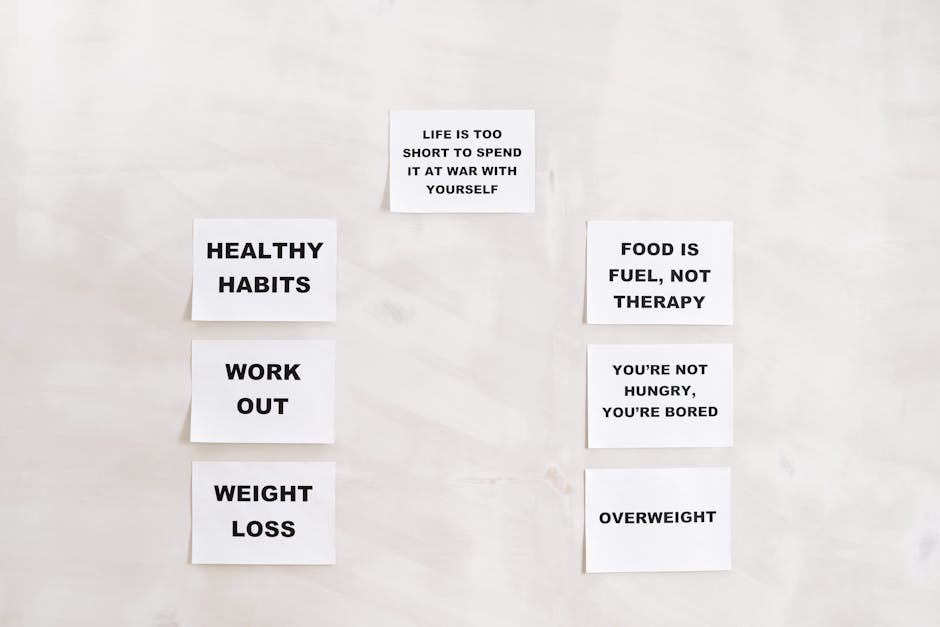
Maintaining an active lifestyle requires more than just dedication to physical exercise. Proper nutrition plays a crucial role in fueling your body, enhancing performance, and aiding recovery. Whether you’re a seasoned athlete or someone who enjoys regular workouts, understanding how to nourish your body effectively can make all the difference. Here are practical nutrition tips to help you thrive in your active endeavors.
Prioritize Balanced Meals
A balanced diet is the foundation of any active lifestyle. Your meals should include a mix of macronutrients—carbohydrates, proteins, and fats—along with essential vitamins and minerals. Carbohydrates are your body’s primary energy source, particularly during high-intensity activities. Opt for complex carbs like whole grains, fruits, and vegetables, which provide sustained energy.
Proteins are essential for muscle repair and growth. Incorporate lean sources such as chicken, fish, tofu, beans, or Greek yogurt into your meals. Healthy fats, found in avocados, nuts, seeds, and olive oil, support overall health and provide long-lasting energy. A balanced plate ensures your body has the resources it needs to perform and recover.
Example Meal Plan
Breakfast: Oatmeal topped with berries, a handful of almonds, and a drizzle of honey.
Lunch: Grilled chicken salad with quinoa, mixed greens, cherry tomatoes, and a light vinaigrette.
Dinner: Baked salmon with roasted sweet potatoes and steamed broccoli.
Snack: Apple slices with peanut butter or a small handful of trail mix.
Stay Hydrated
Hydration is critical for maintaining energy levels and preventing fatigue. Water regulates body temperature, lubricates joints, and transports nutrients. For most people, drinking water throughout the day is sufficient, but if you’re engaging in prolonged or intense exercise, consider adding electrolytes to replenish lost minerals.
Aim to drink water before, during, and after your workouts. A general guideline is to consume about 16–20 ounces of water two hours before exercise and 8–10 ounces every 15–20 minutes during activity. Post-workout, rehydrate with water or a beverage that includes electrolytes.
Time Your Meals and Snacks
When you eat can be just as important as what you eat. Consuming a meal or snack 1–2 hours before exercise provides the energy needed to perform at your best. Focus on easily digestible foods that combine carbs and protein, such as a banana with yogurt or a slice of whole-grain toast with almond butter.
After exercise, aim to eat within 30–60 minutes to replenish glycogen stores and support muscle recovery. A post-workout meal might include grilled chicken with brown rice and vegetables or a smoothie made with protein powder, fruit, and spinach.
Pre- and Post-Workout Snacks
Pre-Workout: A small smoothie with banana, spinach, and a scoop of protein powder.
Post-Workout: A turkey and avocado wrap or a bowl of Greek yogurt with granola and fruit.
Focus on Micronutrients
While macronutrients get most of the attention, micronutrients—vitamins and minerals—are equally important for an active lifestyle. Iron supports oxygen transport in the blood, magnesium aids muscle function, and calcium strengthens bones. Incorporate a variety of colorful fruits, vegetables, nuts, seeds, and dairy or dairy alternatives to ensure you’re meeting your micronutrient needs.
For example, spinach and kale are rich in iron and magnesium, while dairy products and fortified plant-based milks provide calcium. If you’re concerned about deficiencies, consult a healthcare professional to determine if supplements are necessary.
Listen to Your Body
Everyone’s nutritional needs are different, and what works for one person may not work for another. Pay attention to how your body responds to certain foods and adjust your diet accordingly. If you feel sluggish during workouts, you may need to increase your carbohydrate intake. Conversely, if you’re experiencing muscle soreness, focus on consuming more protein.
Keep a food journal to track what you eat and how you feel. This can help you identify patterns and make informed decisions about your diet.
Avoid Processed Foods
Processed foods often contain added sugars, unhealthy fats, and artificial ingredients that can hinder your performance. Instead, opt for whole, minimally processed foods that provide natural nutrients. Swap sugary snacks for fresh fruit, and choose whole-grain bread over white bread.
Reading food labels can help you make healthier choices. Look for products with short ingredient lists and recognizable components. Cooking meals at home also allows you to control what goes into your food.
Moderation is Key
While it’s important to fuel your body with nutritious foods, it’s equally important to enjoy what you eat. Depriving yourself of your favorite treats can lead to unhealthy cravings and binge eating. Allow yourself occasional indulgences, but aim to make balanced choices most of the time.
For example, if you crave something sweet, enjoy a small piece of dark chocolate or a homemade smoothie bowl. Moderation helps maintain a sustainable and enjoyable approach to nutrition.
Conclusion
Supporting an active lifestyle with proper nutrition doesn’t have to be complicated. By prioritizing balanced meals, staying hydrated, timing your food intake, and focusing on whole, nutrient-dense foods, you can optimize your performance and recovery. Remember to listen to your body and make adjustments as needed. With these tips, you’ll be well-equipped to fuel your active lifestyle and achieve your health and fitness goals.