
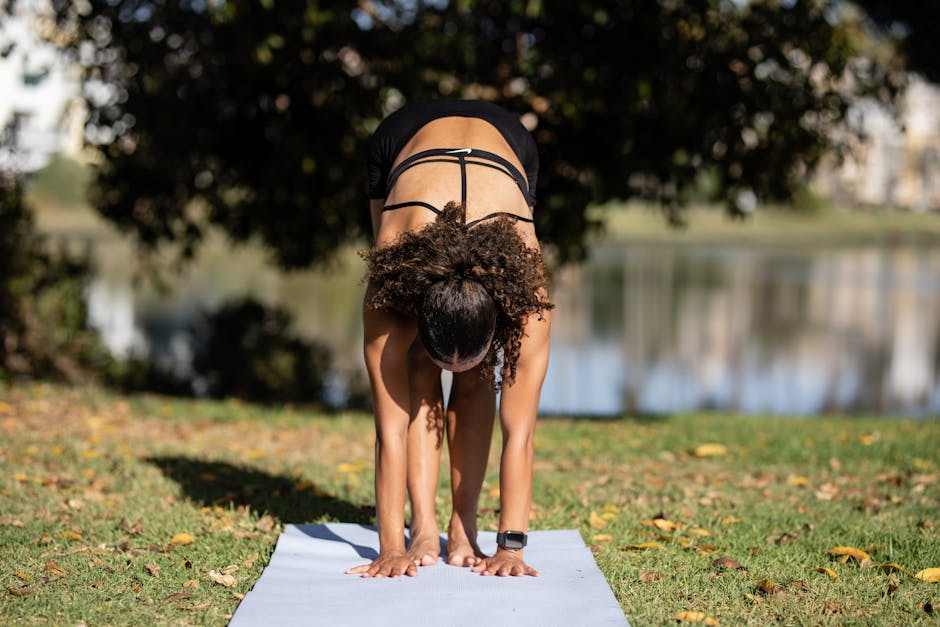
Flexibility is an often-overlooked aspect of physical fitness, yet it plays a crucial role in maintaining mobility, preventing injuries, and improving overall quality of life. Whether you’re an athlete, a fitness enthusiast, or someone simply looking to move more comfortably, incorporating daily exercises to enhance flexibility can yield significant benefits. Below, we explore a variety of practical stretches and movements designed to improve your range of motion, reduce stiffness, and promote long-term flexibility.
Why Flexibility Matters
Flexibility refers to the ability of your muscles and joints to move through their full range of motion. As we age, our muscles naturally tighten, and joints lose some of their mobility. This can lead to discomfort, reduced physical performance, and even injury. Daily flexibility exercises help counteract these effects by keeping muscles supple, improving posture, and enhancing circulation. Moreover, increased flexibility can make everyday activities—like bending, reaching, and twisting—easier and more comfortable.
Getting Started: Essential Guidelines
Before diving into specific exercises, it’s important to follow a few key principles to ensure safety and effectiveness:
- Warm Up First: Never stretch cold muscles. Spend 5-10 minutes engaging in light aerobic activity, such as brisk walking or jogging, to prepare your body.
- Focus on Breathing: Deep, controlled breathing helps relax your muscles and enhances the effectiveness of each stretch.
- Avoid Overstretching: Stretch to the point of mild tension, not pain. Overstretching can lead to injury.
- Consistency is Key: Aim to incorporate flexibility exercises into your daily routine for lasting results.
Top Daily Exercises for Flexibility
Here are some of the best exercises to improve flexibility, targeting major muscle groups:
1. Hamstring Stretch
Sit on the floor with one leg extended straight in front of you and the other bent at the knee. Reach toward the toes of your extended leg, keeping your back straight. Hold for 20-30 seconds, then switch legs. This stretch helps loosen tight hamstrings, which can improve posture and reduce lower back pain.
2. Cat-Cow Stretch
Start on your hands and knees in a tabletop position. Inhale as you arch your back, lifting your head and tailbone toward the ceiling (Cow Pose). Exhale as you round your spine, tucking your chin and pelvis (Cat Pose). Repeat for 1-2 minutes. This dynamic stretch enhances spinal flexibility and relieves tension in the back.
3. Hip Flexor Stretch
Kneel on one knee with the other foot planted in front of you, forming a 90-degree angle. Shift your weight forward until you feel a stretch in the front of your hip. Hold for 20-30 seconds, then switch sides. This stretch is particularly beneficial for those who sit for long periods, as it counters tight hip flexors.
4. Shoulder Stretch
Extend one arm across your chest, using the opposite hand to gently pull it closer to your body. Hold for 20-30 seconds, then switch arms. This stretch helps alleviate tightness in the shoulders, which is common after prolonged desk work.
5. Quadriceps Stretch
Stand on one leg and grab the opposite ankle with your hand, pulling your heel toward your glutes. Keep your knees close together and your torso upright. Hold for 20-30 seconds, then switch legs. This stretch targets the front thigh muscles, improving balance and leg flexibility.
6. Child’s Pose
Kneel on the floor and sit back on your heels. Extend your arms forward and lower your chest toward the ground, resting your forehead on the floor. Hold for 1-2 minutes. This restorative stretch relaxes the lower back and stretches the hips and thighs.
7. Triceps Stretch
Raise one arm overhead and bend the elbow, reaching your hand down the center of your back. Use the opposite hand to gently press the elbow. Hold for 20-30 seconds, then switch arms. This stretch helps improve upper arm flexibility and reduces tension in the shoulders.
8. Butterfly Stretch
Sit on the floor with the soles of your feet together and your knees bent outward. Hold your feet with your hands and gently press your knees toward the floor. Hold for 20-30 seconds. This stretch targets the inner thighs and hips, promoting greater range of motion.
Incorporating Flexibility into Your Routine
To maximize the benefits of these exercises, consider integrating them into your daily schedule. For example:
- Morning Routine: Start your day with a few stretches to wake up your muscles and improve circulation.
- Post-Workout: Stretch after exercise to cool down and prevent stiffness.
- Evening Wind-Down: End your day with gentle stretches to relax your body and prepare for restful sleep.
The Long-Term Benefits
Consistency in practicing flexibility exercises can lead to profound improvements in your physical health and well-being. Over time, you’ll notice increased ease of movement, reduced muscle soreness, and a lower risk of injury. Additionally, flexibility training can complement other forms of exercise, such as strength training and cardio, by enhancing performance and recovery.
Flexibility is not just for athletes or yogis; it’s a vital component of overall fitness that everyone can benefit from. By dedicating a few minutes each day to these exercises, you’ll be taking a proactive step toward a healthier, more mobile, and pain-free lifestyle.