
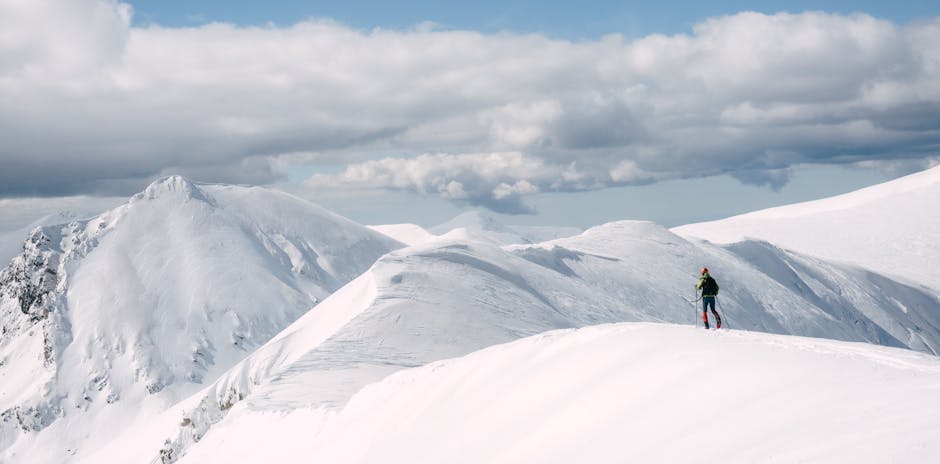
Solo travel can be one of the most rewarding experiences, offering freedom, self-discovery, and adventure. However, it also requires extra vigilance to ensure personal safety. Whether you’re backpacking through Europe, exploring Southeast Asia, or road-tripping across the U.S., these safety tips will help you stay secure while enjoying your journey.
1. Research Your Destination Thoroughly
Before you even pack your bags, invest time in understanding your destination. Research local customs, crime rates, and areas to avoid. For example, some cities have neighborhoods that are best avoided after dark, while others may have specific cultural norms—like dress codes—that travelers should respect.
Check government travel advisories and read recent traveler reviews for firsthand insights. If you’re heading to a country with a different language, learn basic phrases like “help,” “police,” and “hospital” to navigate emergencies more effectively.
2. Stay Connected with Trusted Contacts
Always share your itinerary with a family member or close friend. Provide details like flight numbers, hotel reservations, and planned activities. Apps like Google Maps allow you to share your real-time location with trusted contacts, adding an extra layer of security.
For example, if you’re hiking alone in Patagonia, let someone know your trail route and expected return time. In case of unexpected delays, they can alert local authorities.
3. Choose Accommodations Wisely
Opt for reputable hotels, hostels, or guesthouses with positive reviews from solo travelers. Look for places with 24-hour front desks, secure locks, and well-lit entrances. Avoid ground-floor rooms with easily accessible windows, especially in high-crime areas.
If you’re using a homestay service, verify the host’s credentials and read previous guest feedback. For added safety, consider booking accommodations near public transportation or busy areas where you can easily seek help if needed.
4. Blend In with the Locals
Standing out as a tourist can make you a target for scams or theft. Dress modestly and avoid flashy jewelry or expensive gadgets in public. Carry a cross-body bag with a zipper to deter pickpockets, and keep your phone and wallet in secure pockets.
For instance, in cities like Barcelona or Rome, where pickpocketing is common, travelers are often advised to wear backpacks on their front in crowded areas like metro stations.
5. Trust Your Instincts
Your intuition is one of your best defenses. If a situation feels off—whether it’s an overly persistent stranger or a poorly lit alley—remove yourself immediately. Solo travelers often report avoiding danger simply by listening to their gut.
For example, if a taxi driver refuses to use the meter or takes an unfamiliar route, politely insist on stopping in a busy area and exit the vehicle.
6. Keep Emergency Contacts Handy
Save local emergency numbers in your phone and write them down on a small card kept in your wallet. Know the location of the nearest embassy or consulate if traveling internationally. In some countries, emergency services may not be as responsive, so having a backup plan is crucial.
Consider carrying a whistle or personal alarm, especially if you’re exploring remote areas. These simple tools can draw attention and deter potential threats.
7. Be Cautious with Social Media
Avoid broadcasting your solo status or real-time location on social media. Posting vacation photos after you’ve left a location is safer than sharing updates that reveal you’re alone and vulnerable.
For example, tagging yourself at a secluded beach in real time could inadvertently signal to others that you’re isolated. Wait until you’re back in a secure location to share your adventures.
8. Learn Basic Self-Defense
Taking a self-defense class before your trip can boost your confidence and preparedness. Simple techniques like breaking free from a wrist grab or using everyday objects (like a key or pen) for protection can be invaluable.
Many solo travelers also carry a doorstop alarm for hotel rooms, which can provide an extra barrier against unauthorized entry.
9. Stay Sober and Alert
While it’s tempting to enjoy local nightlife, excessive drinking can impair judgment and make you an easy target. Always keep an eye on your drink to avoid tampering, and never accept beverages from strangers unless you see them poured.
If you’re out at night, arrange for a trusted taxi or rideshare service to take you back to your accommodation. Avoid walking alone in unfamiliar areas after dark.
10. Have a Backup Plan
Carry photocopies of important documents like your passport, visa, and travel insurance, stored separately from the originals. Keep emergency cash hidden in multiple places—such as a money belt or shoe—in case of theft.
For example, if your wallet is stolen in Bangkok, having backup funds and copies of your passport can expedite replacement processes at your embassy.
Final Thoughts
Solo travel doesn’t have to be risky if you take proactive steps to protect yourself. By staying informed, blending in, and trusting your instincts, you can explore the world with confidence. Remember: preparation is the key to a safe and unforgettable journey.