
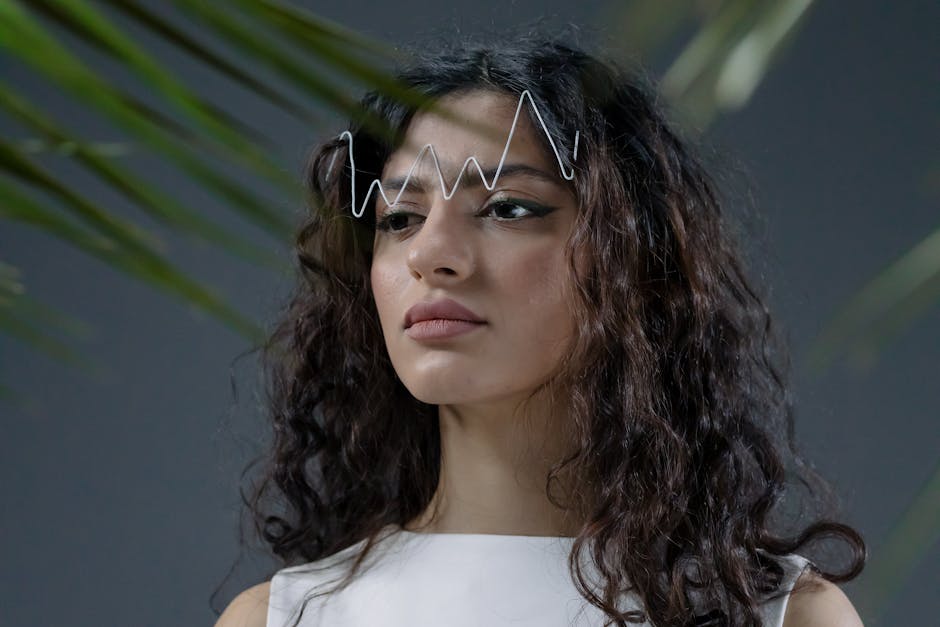
Minimalism isn’t just a fleeting trend—it’s a philosophy that has shaped design, fashion, and lifestyle choices for decades. While trends come and go, certain minimalist principles remain timeless, offering clarity, functionality, and enduring style. Whether in home decor, wardrobe choices, or daily habits, these trends continue to resonate because they prioritize quality over quantity and simplicity over excess.
The Essence of Minimalism
At its core, minimalism is about stripping away the unnecessary to highlight what truly matters. This approach creates spaces, wardrobes, and routines that feel intentional and uncluttered. Unlike fast-fashion fads or overly ornate designs, minimalist trends endure because they adapt seamlessly to changing tastes while maintaining their foundational principles.
Timeless Minimalist Trends
1. Neutral Color Palettes
Shades of white, beige, gray, and black have long been staples of minimalist design. These colors create a calming, cohesive aesthetic that works in any setting. For example, a living room with crisp white walls and natural wood accents feels both modern and timeless. In fashion, a monochromatic outfit in neutral tones exudes effortless sophistication.
2. Functional Furniture
Minimalist furniture focuses on clean lines and practicality. Think of mid-century modern pieces like the Eames lounge chair or a simple Scandinavian dining table—designs that have remained popular for decades because they marry form and function. The key is choosing items that serve a purpose without unnecessary embellishments.
3. Capsule Wardrobes
A curated collection of versatile, high-quality clothing items is a hallmark of minimalist fashion. The concept of a capsule wardrobe—popularized in the 1970s and still relevant today—encourages owning fewer, better-made pieces that can be mixed and matched. A well-tailored blazer, a classic white shirt, and a pair of dark denim jeans are examples of items that never go out of style.
4. Decluttered Spaces
The “less is more” mantra applies especially to living spaces. Minimalist homes avoid excessive decor, instead favoring open layouts and thoughtful organization. For instance, a kitchen with sleek, handle-less cabinets and hidden storage maintains a clean look while maximizing utility. This trend persists because it promotes tranquility and efficiency.
5. Quality Over Quantity
Minimalism emphasizes investing in durable, well-crafted items rather than accumulating disposable goods. Whether it’s a sturdy leather bag or a solid oak desk, choosing quality ensures longevity. This principle saves money and reduces waste over time, making it both stylish and sustainable.
Why These Trends Endure
Minimalist trends stand the test of time because they address universal needs: simplicity, functionality, and aesthetic harmony. In a world often overwhelmed by choices and clutter, minimalism offers a respite—a way to focus on what truly adds value. These trends also adapt effortlessly to personal tastes, allowing individuals to incorporate them in ways that feel authentic.
How to Embrace Minimalism Today
Adopting minimalist trends doesn’t require a complete lifestyle overhaul. Start small:
- Edit your wardrobe: Donate or sell items you haven’t worn in a year and focus on versatile staples.
- Simplify your decor: Remove one or two decorative items from a room to create breathing space.
- Prioritize quality: Before purchasing, ask if the item will serve you well for years to come.
By integrating these practices gradually, you’ll cultivate a lifestyle that feels both contemporary and timeless.
Final Thoughts
Minimalism isn’t about deprivation—it’s about intentionality. The trends that endure, from neutral palettes to capsule wardrobes, do so because they enhance daily life without overwhelming it. By embracing these principles, you create a foundation of style and simplicity that transcends passing fads.
Mastering the Art of Everyday Makeup
Perfecting a daily makeup routine doesn’t require an arsenal of products or hours in front of the mirror. The key lies in understanding which techniques work best for your features and lifestyle. Start with a lightweight foundation or tinted moisturizer for even skin tone, then add definition with a swipe of mascara and a touch of blush. For busy mornings, multi-use sticks can streamline the process—cream formulas that work on cheeks, lips, and eyelids save time while creating a cohesive look.
Comparing Cream vs. Powder Formulas
Cream-based products blend seamlessly for a dewy, natural finish—ideal for dry or mature skin. Powders, on the other hand, offer buildable coverage and work well for oily complexions. Those with combination skin might layer cream blush under a light dusting of powder for longevity. Test both textures on the back of your hand before purchasing; the right formula should feel comfortable and enhance rather than mask your skin’s texture.
Real-World Challenges: Makeup That Lasts
Between work meetings and evening plans, makeup longevity matters. A makeup artist for theater productions shared this tip: “After applying foundation, press (don’t rub) a tissue lightly against your skin to remove excess product—this prevents sliding. Then set strategic areas like the T-zone with translucent powder using a fluffy brush.” For eye makeup, waterproof eyeliner and primer prevent midday smudging. Carry blotting papers instead of piling on powder, which can look cakey by day’s end.
When Less Is More: Editing Your Routine
A common mistake is using every product in your collection daily. Try this exercise: Empty your makeup bag and select only five items for a week. You’ll quickly identify which products truly enhance your appearance versus those that add unnecessary steps. Many find they can skip contouring in favor of strategic bronzer placement or replace lip liner with a long-wearing tinted balm. Streamlining saves time and often results in a fresher, more modern look.