
Whether you’re an avid hiker, a professional photographer, or a weekend cyclist, your gear is an essential part of your experience. Proper maintenance not only extends the life of your equipment but also ensures it performs at its best when you need it most. Here’s a comprehensive guide to keeping your gear in top shape, no matter what you use it for.
Understand Your Gear
The first step in maintaining your gear is understanding it. Every piece of equipment has specific needs based on its materials, design, and intended use. For example, a high-performance carbon fiber bike requires different care than a casual commuter bike. Similarly, a DSLR camera demands more attention than a point-and-shoot model. Start by reading the manufacturer’s manual. It’s a treasure trove of information on cleaning, storage, and maintenance schedules tailored to your gear.
Clean Regularly and Properly
Dirt, dust, and grime are the enemies of longevity. Regular cleaning is crucial, but it’s equally important to do it correctly. For outdoor gear like hiking boots, remove dirt and mud with a soft brush and warm water, then let them air dry away from direct heat. For electronics like cameras or drones, use microfiber cloths and specialized cleaning solutions to avoid damaging sensitive components. Avoid harsh chemicals that can degrade materials over time.
Inspect for Wear and Tear
Routine inspections can help you catch small issues before they become big problems. Check for signs of wear such as frayed straps, loose screws, or cracks in materials. For example, climbers should inspect their ropes and harnesses for abrasions or weak spots, while cyclists should look for worn brake pads or tire treads. Addressing these issues early can prevent accidents and costly repairs.
Store Your Gear Correctly
Improper storage can lead to damage over time. Store gear in a cool, dry place away from direct sunlight, which can fade colors and weaken materials. Use protective cases for fragile items like cameras or lenses, and hang items like wetsuits or sleeping bags to maintain their shape. If you’re storing gear for an extended period, consider using moisture-absorbing products like silica gel packs to prevent mold or mildew.
Lubricate Moving Parts
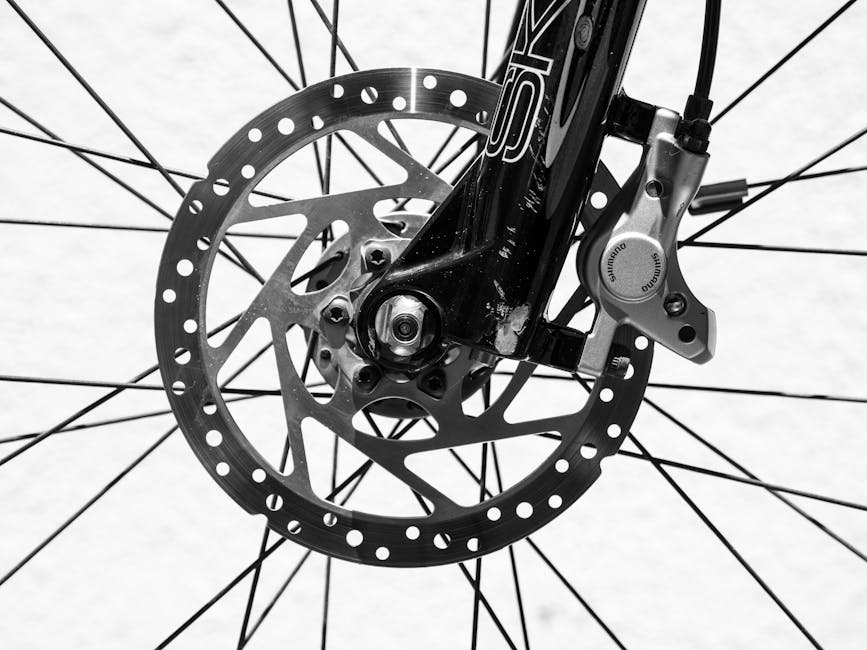
For gear with moving parts, lubrication is key to smooth operation and longevity. Bicycles, for instance, require regular chain lubrication to reduce friction and prevent rust. Similarly, tools like multi-tools or folding knives benefit from occasional oiling to keep hinges and blades functioning properly. Always use the appropriate lubricant for the material—avoid using WD-40 on items that require specialized oils.
Replace Consumable Parts
Some gear components are designed to be replaced regularly. For example, air filters in camping stoves, batteries in headlamps, or strings on musical instruments all have a limited lifespan. Keep track of when these parts need replacement and stock up on spares. This ensures your gear remains functional and prevents unexpected failures during critical moments.
Follow a Maintenance Schedule
Consistency is key to effective gear maintenance. Create a schedule based on how often you use your equipment and the manufacturer’s recommendations. For example, a daily-use laptop might need a thorough cleaning every month, while a rarely-used tent might only require an annual inspection. Stick to your schedule to keep your gear in peak condition.
Learn Basic Repairs
Knowing how to perform basic repairs can save you time and money. Learn skills like patching a tent, sewing a torn backpack strap, or replacing a bike tire tube. Keep a small repair kit tailored to your gear—whether it’s duct tape, a sewing kit, or a multi-tool. These small fixes can extend the life of your equipment and keep you prepared for unexpected issues.
Invest in Quality
While it may be tempting to opt for cheaper gear, investing in high-quality equipment often pays off in the long run. Well-made items are typically easier to maintain, more durable, and less prone to frequent repairs. For example, a high-end waterproof jacket with reinforced seams will outlast a budget option and require less upkeep over time.
Respect Your Gear
Finally, treat your gear with respect. Avoid overloading backpacks, forcing zippers, or using equipment beyond its intended purpose. Respecting the limits of your gear ensures it remains reliable and functional for years to come.
Maintaining your gear properly isn’t just about preserving its appearance—it’s about ensuring it performs when you need it most. By following these tips, you can extend the life of your equipment, save money on replacements, and enjoy your hobbies and adventures with confidence.
Mastering the Art of Layering for Every Season
Layering isn’t just about staying warm—it’s an opportunity to showcase your personal style while adapting to unpredictable weather. Start with a lightweight base layer like a fitted cotton tee or silk camisole that sits close to the skin. Mid-layers should add texture and interest: think chunky knits, tailored vests, or lightweight cardigans. Your outer layer becomes the statement piece, whether it’s a structured trench coat for spring or a shearling-lined jacket for winter.
Unexpected Pairings That Work
- Silk slip dress + oversized denim jacket: Perfect for transitioning from day to night
- Turtleneck + sundress: The ultimate autumn combo when temperatures fluctuate
- Swimsuit + linen shirt: A stylish cover-up that takes you from beach to brunch
Fabric Intelligence: Choosing Materials for Your Climate
Not all fabrics perform equally in different environments. In humid climates, prioritize breathable natural fibers like linen and cotton that wick moisture away from the body. For colder regions, wool and cashmere provide insulation without bulk. Technical fabrics with water-resistant properties are essential for rainy locales, while UV-protective materials offer sun defense in tropical areas.
| Climate Type | Best Fabric Choices | Worst Choices |
|---|---|---|
| Humid/Tropical | Linen, bamboo, moisture-wicking synthetics | Polyester blends, heavy wool |
| Continental (Four Seasons) | Merino wool, cashmere, layered cotton | Single-weight fabrics |
Real-World Styling Challenges Solved
Scenario: You have an important outdoor meeting on a 55°F rainy day, followed by dinner in a stuffy restaurant. Solution: Start with a moisture-wicking base layer, add a wool-blend blazer, and top with a water-repellent trench. Carry a compact umbrella and foldable tote to store layers when indoors. Finish with waterproof ankle boots that transition seamlessly to evening.
Scenario: A summer wedding with a 30-degree temperature drop between ceremony and reception. Solution: Wear a sleeveless silk dress with a matching chiffon wrap that converts to a shawl. Keep a lightweight cashmere sweater in your clutch for when temperatures plummet during the outdoor reception.