
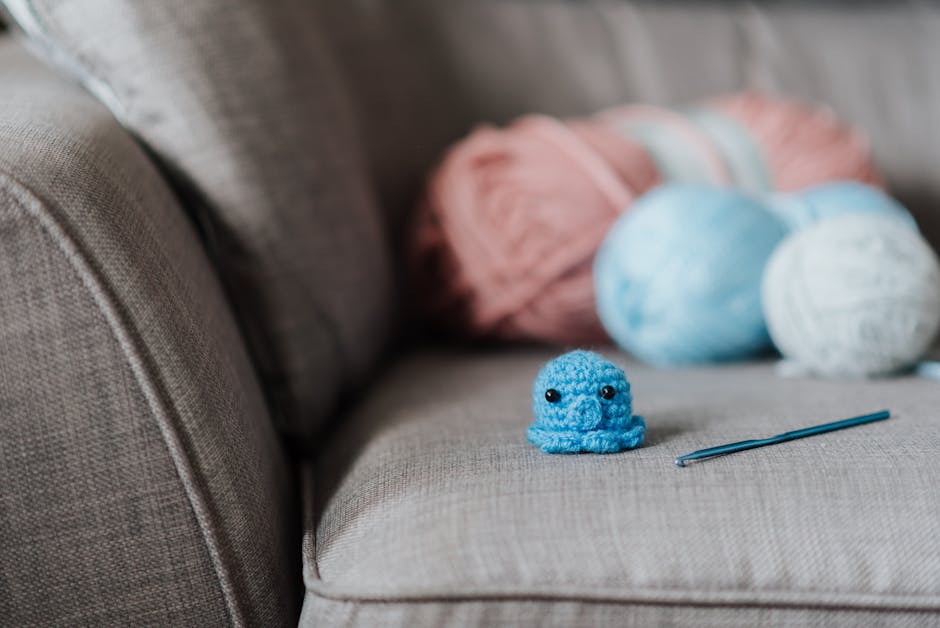
Your home should be a sanctuary—a place where stress melts away the moment you step through the door. Creating a relaxing atmosphere isn’t just about aesthetics; it’s about engaging all your senses to foster calm and comfort. Whether you’re redesigning your space or making small adjustments, these strategies will help you craft a home that feels like a retreat.
1. Prioritize Soft, Natural Lighting
Harsh overhead lighting can feel clinical and unwelcoming. Instead, opt for layered lighting that mimics natural daylight. Table lamps with warm-toned bulbs, dimmable fixtures, and candles create a gentle glow that eases tension. If possible, maximize natural light during the day by using sheer curtains or leaving windows unobstructed.
Quick Tip:
Place a small lamp in a corner with a soft, amber-toned bulb to instantly warm up a room.
2. Incorporate Soothing Colors
Color psychology plays a significant role in setting the mood. Soft neutrals like beige, cream, and pale gray promote tranquility, while muted blues and greens evoke nature’s calming effects. Avoid overly bright or saturated hues in main living areas, as they can feel overstimulating.
Example:
Paint an accent wall in a serene sage green or use throw pillows in earthy tones to introduce calming colors without a full redesign.
3. Declutter and Simplify
Clutter is the enemy of relaxation. A disorganized space can subconsciously heighten stress. Adopt a minimalist approach by keeping surfaces clear and storing items out of sight. Invest in stylish storage solutions like woven baskets or under-bed containers to maintain order.
Actionable Step:
Spend 10 minutes each day tidying one small area—a coffee table, a nightstand, or a shelf—to prevent buildup.
4. Introduce Natural Elements
Biophilic design—bringing nature indoors—has been shown to reduce stress. Houseplants like snake plants or peace lilies purify the air and add life to a room. Wooden furniture, stone accents, or a small indoor fountain can also enhance a grounded, peaceful vibe.
Idea:
Arrange a cluster of succulents on a windowsill or hang eucalyptus in the shower for a spa-like touch.
5. Use Calming Scents
Aromatherapy is a powerful tool for relaxation. Essential oil diffusers with lavender, chamomile, or sandalwood can transform a space into a calming oasis. Scented candles or linen sprays with subtle fragrances also work well.
Pro Tip:
Place a few drops of essential oil on cotton balls and tuck them into drawers for a lingering, subtle aroma.
6. Optimize Comfort with Textures
Soft, tactile materials invite you to unwind. Layer plush rugs, cozy throws, and velvet or linen upholstery to create a sense of warmth. Even small additions like a knitted blanket draped over a chair can make a room feel more inviting.
Try This:
Swap out synthetic fabrics for natural fibers like cotton or wool in bedding and curtains.
7. Reduce Noise Pollution
Unwanted noise can disrupt peace at home. If outside sounds are an issue, consider thick curtains, rugs, or even bookshelves along walls to absorb sound. A white noise machine or soft background music can also mask disturbances.
Solution:
Place a small indoor water feature near a window to drown out street noise with gentle trickling sounds.
8. Create Dedicated Relaxation Zones
Designate specific areas for unwinding, such as a reading nook with a comfortable chair and good lighting, or a meditation corner with floor cushions and a calming artwork. Even a balcony or a small patio can become a serene escape with the right setup.
Inspiration:
Transform an unused corner into a cozy spot with a floor lamp, a small side table, and a stack of your favorite books.
9. Personalize with Meaningful Touches
A relaxing home should reflect your personality. Display cherished photos, artwork, or travel mementos that evoke positive memories. Avoid overcrowding, but let a few meaningful items take center stage.
Thought Starter:
Rotate seasonal decor or family heirlooms to keep the space feeling fresh yet familiar.
10. Maintain a Comfortable Temperature
Physical comfort is key to relaxation. Ensure your home is neither too hot nor too cold. Use breathable fabrics in summer and warm layers in winter. A programmable thermostat can help maintain an ideal climate effortlessly.
Final Touch:
Keep a lightweight throw blanket within reach in the living room for impromptu coziness.
By thoughtfully addressing lighting, color, scent, and comfort, you can cultivate a home atmosphere that feels like a daily retreat. Start small, experiment with what works for you, and enjoy the process of creating a space that truly rejuvenates.
Mastering the Art of Layering for Every Season
Layering isn’t just about staying warm—it’s about creating dimension and versatility in your wardrobe. Start with a lightweight base like a fitted cotton tee or silk camisole, then build with mid-layers such as chunky knits or tailored blazers. The key is balancing proportions: pair slim-fitting underlayers with looser outer pieces to avoid bulk. For transitional weather, a trench coat over a thin turtleneck and straight-leg jeans strikes the perfect balance between polished and practical.
Texture Play: The Secret to Visual Interest
Combine contrasting fabrics to elevate simple outfits. Try a cable-knit sweater with sleek leather pants, or layer a satin slip dress under a nubby wool cardigan. Unexpected pairings—like pairing a crisp oxford shirt with a fuzzy shearling vest—add tactile appeal while maintaining cohesion through a limited color palette. Pro tip: anchor bold textures with neutral accessories to keep the look intentional rather than chaotic.
Budget vs. Luxury: When to Invest
While designer pieces often boast superior craftsmanship, strategic spending yields the best wardrobe ROI. Splurge on timeless outerwear (like a wool overcoat) and leather footwear that molds to your feet over time. Save on trend-driven items like printed scarves or statement jewelry—Zara and & Other Stories offer runway-inspired designs at accessible price points. For denim, mid-range brands like Madewell strike the ideal balance between quality and affordability.
Real-World Styling Challenges Solved
Scenario: “I have a last-minute dinner after work but only brought a blazer.”
Solution: Transform your office look by swapping loafers for strappy heels, adding a metallic clutch, and rolling the blazer sleeves to reveal a stacked bracelet collection. A bold lip color completes the transition from day to night in minutes.
Scenario: “My vacation packing always feels repetitive.”
Solution: Build around three neutral mix-and-match separates (e.g., white linen pants, black tank, khaki skirt), then incorporate five colorful accent pieces that all coordinate. Scarves and belts take minimal space but maximize outfit variations.