
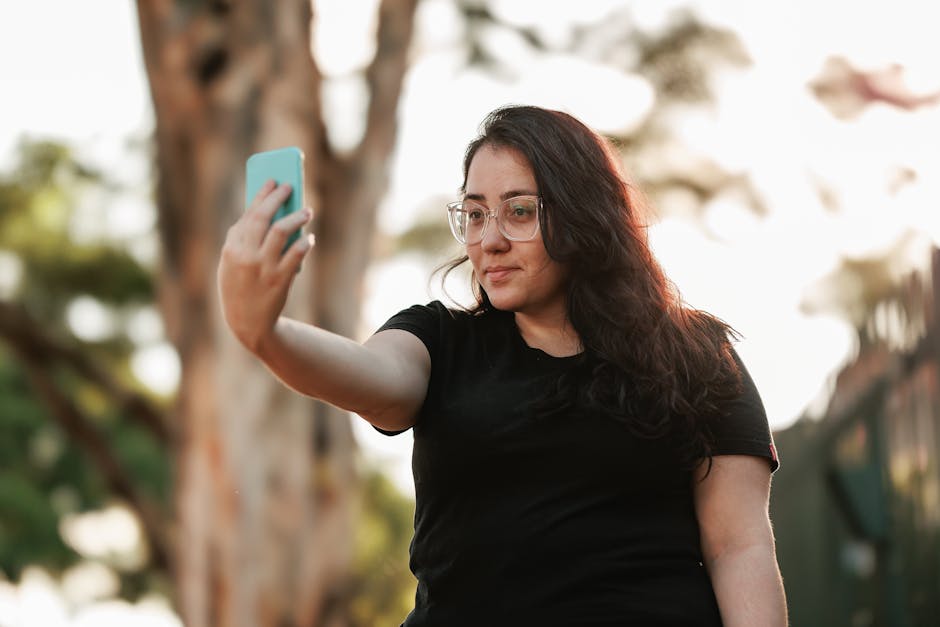
Fashion has always been a reflection of culture, society, and innovation. In recent years, technology has become a driving force behind the evolution of style, reshaping how we design, produce, and consume fashion. From wearable tech to sustainable innovations, the intersection of fashion and technology is creating a new era of possibilities. Here’s how tech is shaping the future of fashion trends.
Wearable Technology: Fashion Meets Functionality
One of the most visible ways technology is influencing fashion is through wearable tech. Smartwatches, fitness trackers, and even smart glasses have become staples in modern wardrobes. These devices are no longer just functional—they’re stylish. Brands like Apple, Samsung, and luxury labels such as Tag Heuer have blended cutting-edge technology with sleek designs, making wearables a fashion statement.
Beyond accessories, smart clothing is also gaining traction. From jackets with built-in heating systems to yoga pants that track your movements, tech-infused apparel is redefining what it means to dress for both style and practicality. This trend is not just about convenience; it’s about integrating technology seamlessly into everyday life.
Virtual and Augmented Reality: Transforming the Shopping Experience
Shopping for clothes has also been revolutionized by technology. Virtual reality (VR) and augmented reality (AR) are changing how consumers interact with fashion. For instance, AR-powered apps allow users to “try on” clothes virtually before making a purchase. This eliminates the guesswork of online shopping and enhances the customer experience.
Brands like Gucci and Nike have embraced this technology, offering virtual fitting rooms and interactive shopping experiences. VR is also being used in fashion shows, allowing designers to showcase their collections in immersive digital environments. These innovations are not only making fashion more accessible but also pushing creative boundaries in how we present and consume style.
Sustainable Fashion: Tech-Driven Innovations
As sustainability becomes a priority in the fashion industry, technology is playing a crucial role in creating eco-friendly solutions. From 3D printing to fabric recycling, tech innovations are helping brands reduce waste and minimize their environmental impact. For example, 3D printing allows designers to create garments with precise measurements, eliminating excess material and reducing production waste.
Another breakthrough is the development of biodegradable fabrics and dyes. Companies are using advanced materials like algae-based textiles and plant-derived dyes to create sustainable alternatives to traditional fabrics. These innovations are not just better for the planet—they’re also inspiring new trends in eco-conscious fashion.
Data Analytics: Personalizing Fashion
Technology is also transforming how fashion brands understand and cater to their customers. Data analytics allows companies to track consumer preferences, predict trends, and offer personalized recommendations. By analyzing purchasing patterns and social media activity, brands can create tailored marketing campaigns and curate collections that resonate with their audience.
For instance, online retailers like Stitch Fix use algorithms to suggest outfits based on individual style preferences. This level of personalization not only enhances the shopping experience but also helps consumers discover new trends that align with their tastes.
Social Media and Influencers: Accelerating Trend Cycles
Social media has become a powerful tool for shaping fashion trends. Platforms like Instagram, TikTok, and Pinterest are where new styles are born and spread rapidly. Influencers and fashion bloggers play a significant role in this process, showcasing the latest looks and inspiring their followers to adopt new trends.
The immediacy of social media has accelerated the pace of fashion cycles, with trends going viral in a matter of days. This has forced brands to adapt quickly, releasing new collections more frequently and staying ahead of the curve. The result is a dynamic, ever-changing fashion landscape driven by digital engagement.
The Future of Fashion: A Tech-Infused Vision
As technology continues to evolve, its influence on fashion will only grow. We can expect to see more innovations in areas like artificial intelligence, blockchain for supply chain transparency, and even AI-powered design tools. These advancements will not only enhance the creative process but also make fashion more inclusive, sustainable, and responsive to consumer needs.
For fashion enthusiasts, this means staying informed about the latest tech-driven trends and embracing new ways to engage with style. Whether it’s experimenting with smart clothing, exploring virtual shopping experiences, or supporting sustainable brands, the future of fashion is all about blending innovation with creativity.
In conclusion, technology is no longer just a tool—it’s a fundamental part of the fashion industry. By embracing these innovations, we can look forward to a future where style is not only beautiful but also smart, sustainable, and deeply personal.
Practical Tips for Everyday Application
Integrating these techniques into your daily routine doesn’t have to be overwhelming. Start small by focusing on one area at a time. For instance, if you’re looking to improve your skincare routine, begin with understanding your skin type and selecting products tailored to your needs. Consistency is key—stick to your regimen for at least a month to see noticeable results.
Comparative Analysis of Popular Options
When choosing products or services, it’s helpful to compare popular options side by side. For example, if you’re deciding between two moisturizers, consider factors like ingredients, texture, and user reviews. While one might offer a luxurious feel, another might focus on affordability and accessibility. Understanding these differences can help you make an informed decision that aligns with your priorities.
Real-World Scenarios and Solutions
Life often throws curveballs, and adapting to them can be challenging. Imagine you’re traveling and your usual products aren’t available. In such cases, look for local alternatives or multi-purpose solutions that can serve multiple needs. For instance, a tinted moisturizer with SPF can replace your foundation and sunscreen, simplifying your routine while keeping your skin protected.
Expert Insights and Recommendations
Experts often emphasize the importance of listening to your body or skin. If a product causes irritation or doesn’t feel right, it’s okay to switch things up. Professionals also recommend patch testing new products before full application to avoid adverse reactions. Their insights can guide you toward making choices that are both effective and safe.
Long-Term Benefits and Sustainability
Adopting mindful practices isn’t just about immediate results—it’s about long-term well-being. Choosing eco-friendly products or reusable tools, for example, not only benefits you but also contributes to a healthier planet. Over time, these small changes can lead to significant improvements in both your personal life and the environment.