
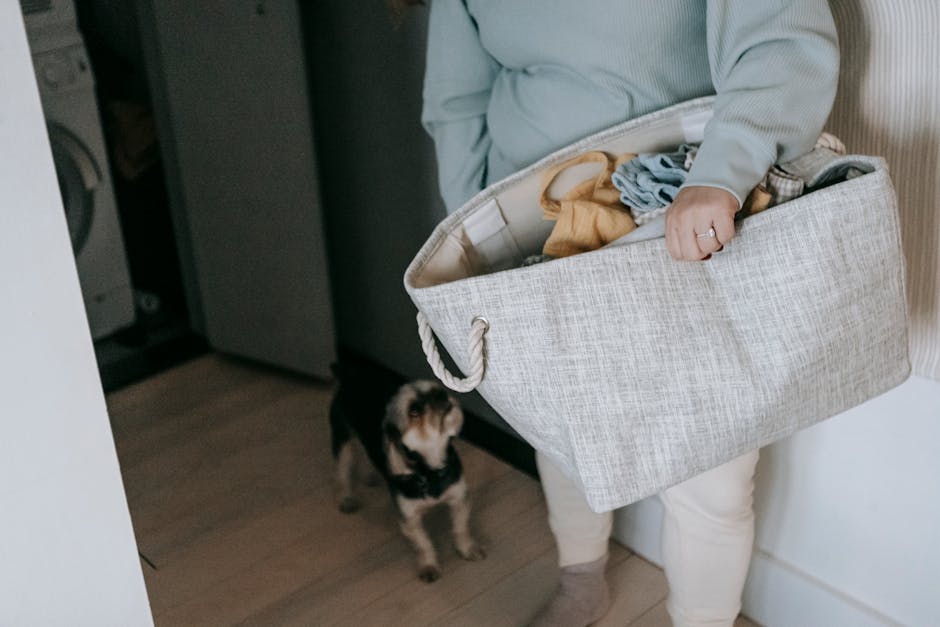
For pet owners, ensuring the health and happiness of their furry companions is a top priority. While occasional vet visits and special treats are important, the foundation of a pet’s well-being lies in consistent daily routines. From diet and exercise to mental stimulation and hygiene, small, everyday habits can make a significant difference in your pet’s quality of life. Here’s a comprehensive guide to daily routines that keep pets healthy.
1. Balanced Nutrition
Just like humans, pets thrive on a balanced diet tailored to their specific needs. Start by choosing high-quality pet food that aligns with their age, size, and breed. For example, puppies and kittens require nutrient-dense formulas to support their rapid growth, while senior pets may benefit from lower-calorie options to maintain a healthy weight.
Portion control is equally important. Overfeeding can lead to obesity, which is linked to a host of health issues such as diabetes, joint problems, and heart disease. Use a measuring cup to ensure you’re providing the right amount of food, and avoid feeding table scraps, which can be high in fat and salt.
Hydration Matters
Don’t forget about water. Fresh, clean water should be available at all times. Dehydration can lead to serious health complications, especially during hot weather or after vigorous exercise. Consider adding a pet fountain to encourage drinking, as some animals are more likely to drink from running water.
2. Regular Exercise
Physical activity is essential for maintaining your pet’s physical and mental health. Dogs, for instance, benefit from daily walks, playtime in the yard, or games of fetch. The amount of exercise needed varies by breed—high-energy dogs like Border Collies may require more activity than smaller, less active breeds like Bulldogs.
Cats also need exercise to stay fit and prevent boredom. Interactive toys, laser pointers, and climbing structures can keep them engaged and active. Even small animals like rabbits and guinea pigs benefit from time outside their cages to stretch their legs and explore.
Mental Stimulation
Exercise isn’t just about physical health—it’s also about mental well-being. Puzzle toys, treat-dispensing games, and training sessions can challenge your pet’s mind and prevent destructive behaviors caused by boredom. For example, teaching your dog new tricks or providing your cat with a scratching post can keep them mentally sharp and content.
3. Grooming and Hygiene
Regular grooming is more than just keeping your pet looking good—it’s a crucial part of their health routine. Brushing your pet’s coat helps remove dirt, loose hair, and tangles, while also distributing natural oils for a healthy shine. For long-haired breeds, daily brushing is often necessary to prevent matting.
Don’t overlook dental hygiene. Brushing your pet’s teeth daily or using dental chews can prevent plaque buildup and gum disease, which can lead to more serious health issues if left untreated. Additionally, trim your pet’s nails regularly to avoid overgrowth, which can cause discomfort or even injury.
Bathing and Ear Care
While bathing frequency depends on your pet’s breed and lifestyle, most dogs and cats need a bath every few weeks to stay clean and odor-free. Use pet-safe shampoos to avoid skin irritation. For pets with floppy ears, like Basset Hounds or Cocker Spaniels, regular ear cleaning is essential to prevent infections.
4. Routine Vet Checkups
While daily routines are vital, regular veterinary care is equally important. Schedule annual checkups to monitor your pet’s overall health and catch potential issues early. Vaccinations, parasite prevention, and dental cleanings should be part of their routine care.
Pay attention to any changes in your pet’s behavior, appetite, or energy levels, as these can be early signs of health problems. If you notice anything unusual, consult your vet promptly.
5. Quality Time and Affection
Finally, don’t underestimate the power of love and attention. Spending quality time with your pet strengthens your bond and contributes to their emotional well-being. Whether it’s cuddling on the couch, playing a game, or simply talking to them, these moments of connection are essential for a happy, healthy pet.
Creating a Safe Environment
Ensure your home is a safe and comfortable space for your pet. Remove hazards like toxic plants, small objects they could swallow, and accessible cords or chemicals. Provide cozy bedding and a designated area where they can retreat and feel secure.
By incorporating these daily routines into your pet’s life, you’ll not only enhance their health but also deepen the bond you share. Remember, consistency is key—small, thoughtful actions every day can lead to a lifetime of happiness for your beloved companion.
Practical Tips for Everyday Application
When incorporating new techniques into your routine, start small to avoid overwhelm. For example, if experimenting with a skincare regimen, introduce one product at a time and monitor results for at least two weeks before adding another. This methodical approach helps identify what truly works for your unique needs.
Comparative Analysis: Quality vs. Convenience
Budget-friendly options often compete with luxury counterparts, but the differences aren’t always obvious. A mid-range blender might puree soups just as smoothly as a premium model, while a high-end chef’s knife could last decades longer than discount versions. Evaluate longevity, functionality, and frequency of use before investing.
Real-World Scenario: Adapting to Seasonal Changes
As temperatures drop, layered clothing becomes essential. A wool-blend turtleneck under a water-resistant parka provides warmth without bulk, while thermal leggings under jeans offer discreet insulation. For summer, linen-cotton blends wick moisture better than synthetic fabrics during outdoor activities.
Unexpected Benefits Discovery
Many discover secondary advantages when adopting new practices. Those who switch to cast-iron cookware often report improved iron levels, while houseplant enthusiasts frequently notice reduced stress. These unintended positives can sometimes outweigh the original purpose.