
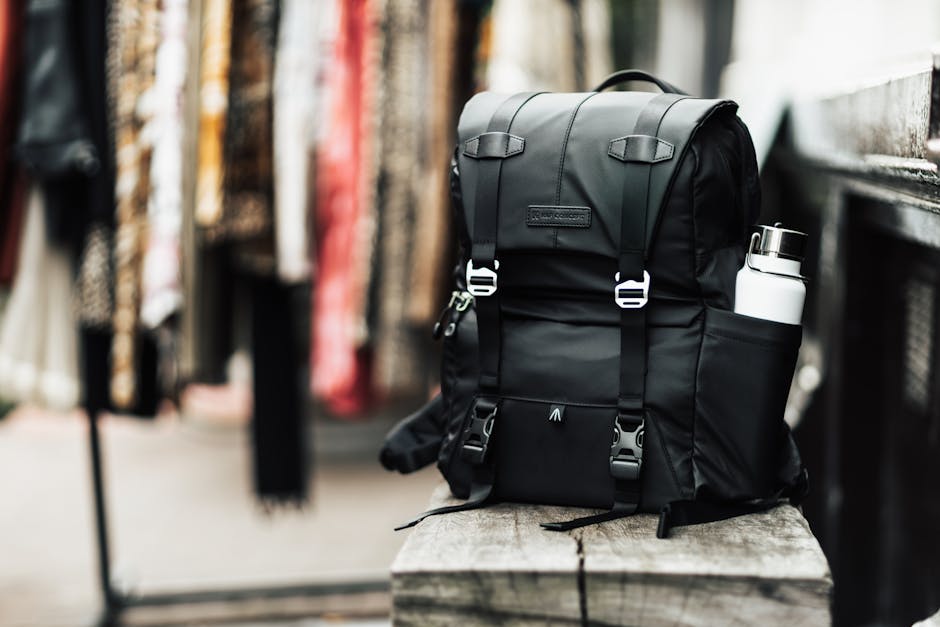
In an era where efficiency and minimalism reign supreme, the concept of everyday carry (EDC) has evolved from a niche interest to a mainstream necessity. Whether you’re a professional navigating a busy workday or an adventurer exploring the urban jungle, having the right compact gear can make all the difference. This guide explores essential items that balance functionality, portability, and style.
The Philosophy of Everyday Carry
Everyday carry isn’t just about stuffing your pockets with gadgets—it’s about curating a selection of tools that serve a purpose without weighing you down. The goal is to be prepared for common scenarios while maintaining a lightweight and organized setup. The best EDC items are those you’ll actually use, not just admire.
Key Principles to Follow
- Utility Over Quantity: Prioritize items that solve real problems.
- Portability: Compact size ensures easy carry without bulk.
- Durability: Invest in gear that withstands daily wear and tear.
- Versatility: Multi-functional items save space and add value.
Essential Compact Gear for Everyday Carry
1. Pocket-Sized Multi-Tool
A high-quality multi-tool is the cornerstone of any EDC kit. Look for models with pliers, scissors, a knife, and screwdrivers. Brands like Leatherman and Victorinox offer sleek options that fit comfortably in a pocket or clip to a belt. The Leatherman Skeletool, for example, combines essential tools with a lightweight design, making it ideal for quick fixes on the go.
2. Slim Wallet or Cardholder
Bulky wallets are relics of the past. Modern alternatives like the Bellroy Card Sleeve or the Ridge Wallet maximize space while holding cards, cash, and even a few coins. These designs often include RFID protection, adding a layer of security against digital theft.
3. Compact Flashlight
Whether you’re navigating a dimly lit parking lot or searching for keys in the dark, a reliable flashlight is indispensable. The Olight S1R Baton III is a standout, offering powerful illumination in a package smaller than a lipstick. Rechargeable models eliminate the hassle of replacing batteries.
4. Portable Power Bank
In a world reliant on smartphones, a dead battery can feel like a crisis. Compact power banks like the Anker PowerCore Slim 10000 provide enough juice to recharge your phone multiple times without adding significant weight to your bag.
5. Minimalist Key Organizer
Keys jangling in your pocket are more than an annoyance—they can damage clothing and other items. A key organizer like the KeySmart Pro keeps keys neatly aligned and includes a built-in tile tracker for locating misplaced items via Bluetooth.
6. Pocket Notebook and Pen
Despite the digital age, nothing beats the immediacy of pen and paper for jotting down ideas or reminders. The Field Notes pocket notebook paired with a Fisher Space Pen (which writes in any orientation) is a classic combo that fits seamlessly into any EDC setup.
Tailoring Your EDC to Your Lifestyle
While the above items form a solid foundation, your everyday carry should reflect your unique needs. Here’s how to adapt:
For Professionals
Add a sleek USB drive for transferring files, a stylish pen like the Lamy 2000, and a compact Bluetooth mouse if you frequently work on the go. A well-chosen leather folio can also keep documents organized while maintaining a professional aesthetic.
For Outdoor Enthusiasts
Consider a compact first-aid kit, a paracord bracelet with survival tools, and a lightweight water bottle like the Vapur Eclipse. A small, foldable knife like the Benchmade Bugout can also be invaluable for outdoor tasks.
For Urban Explorers
A reusable shopping bag that folds into a tiny pouch, a portable phone stand for impromptu video calls, and a compact umbrella like the Weatherman Travel Umbrella can enhance convenience in city settings.
Maintaining Your EDC Kit
Regularly assess your gear to ensure it remains relevant and functional. Clean and inspect items monthly, replacing anything that’s worn out or no longer serves a purpose. Rotate seasonal items—like swapping a hand warmer for a cooling towel in summer—to keep your setup optimized.
Final Thoughts
Building the perfect everyday carry kit is a personal journey. Start with the essentials, then refine based on your daily challenges and preferences. Remember, the best EDC is one that feels effortless—enhancing your day without adding complexity. With the right compact gear, you’ll be prepared for whatever comes your way, wherever you go.
Practical Tips for Everyday Application
Incorporating these principles into your daily routine doesn’t have to be overwhelming. Start small by identifying one area where you feel you’re overspending or underutilizing resources. For example, if you notice you’re frequently buying clothes you never wear, consider implementing a “wait 24 hours” rule before making any fashion purchases. This simple step can help you differentiate between impulse buys and genuine needs.
Comparative Analysis: Quality vs. Quantity
When evaluating your purchases, it’s essential to weigh the benefits of quality versus quantity. For instance, investing in a high-quality winter coat might seem expensive upfront, but its durability can save you money in the long run compared to buying multiple cheaper coats that wear out quickly. Similarly, opting for fresh, whole ingredients in your cooking might cost more than processed foods, but the health benefits and flavor payoffs are often worth the extra expense.
Real-World Scenarios: Making Smart Choices
Imagine you’re redecorating your living room. Instead of purchasing a full set of furniture all at once, consider starting with a versatile sofa and gradually adding pieces that complement it. This approach not only spreads out the cost but also allows you to refine your style over time. Another scenario might involve meal planning. By dedicating an hour each week to planning your meals and creating a shopping list, you can avoid last-minute takeout orders and reduce food waste, ultimately saving both time and money.
Building Sustainable Habits
Sustainability is a key aspect of mindful consumption. Opt for products that are eco-friendly, such as reusable water bottles or cloth shopping bags. Beyond products, consider the longevity of your choices. For example, repairing a pair of shoes instead of replacing them can extend their life and reduce your environmental footprint. Small, consistent actions like these contribute to a more sustainable lifestyle without requiring drastic changes.