
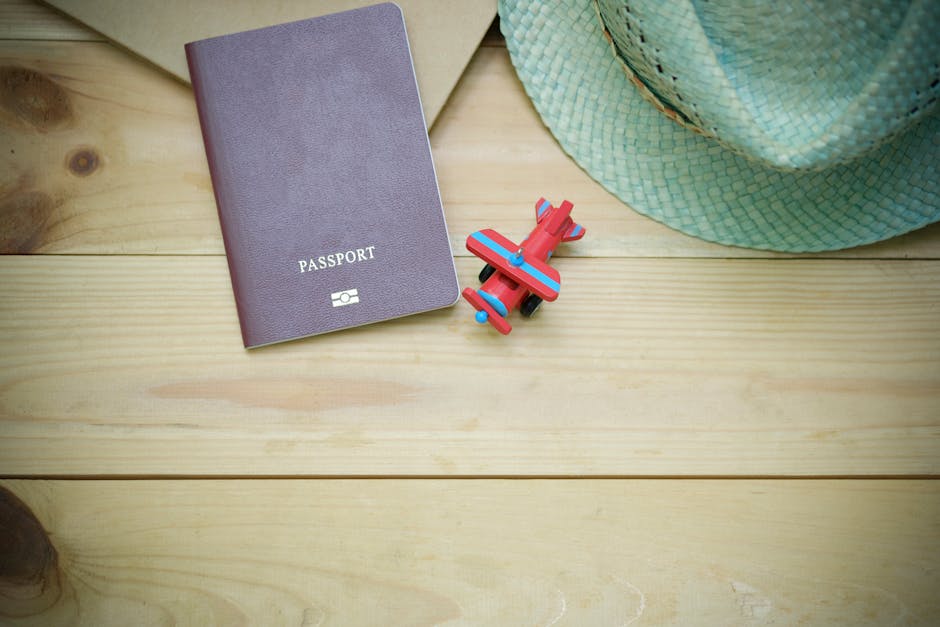
Packing efficiently is an art that can transform your travel experience from chaotic to seamless. Whether you’re a frequent flyer or an occasional vacationer, mastering the art of packing can save you time, stress, and even money. Here are some practical tips to help you stay organized and make the most of your luggage space.
1. Start with a Packing List
Before you even open your suitcase, create a detailed packing list. This simple step ensures you don’t forget essentials and helps you avoid overpacking. Divide your list into categories like clothing, toiletries, electronics, and documents. For example, under ‘clothing,’ list each outfit by day, including accessories and footwear. This method keeps you focused and prevents last-minute panic.
2. Choose the Right Luggage
Selecting the appropriate luggage is crucial for organized travel. A lightweight, durable suitcase with multiple compartments can make a world of difference. For shorter trips, a carry-on with built-in organizers might suffice, while longer journeys may require a checked bag with expandable sections. Consider your destination and mode of transportation when making your choice.
3. Roll, Don’t Fold
One of the oldest packing hacks still holds true: rolling your clothes saves space and minimizes wrinkles. This technique works especially well for casual wear like t-shirts, jeans, and pajamas. For bulkier items like sweaters, folding them neatly and placing them at the bottom of your suitcase can help distribute weight evenly.
4. Use Packing Cubes
Packing cubes are a game-changer for organized travelers. These lightweight, zippered compartments allow you to group similar items together, making it easy to find what you need without rummaging through your entire suitcase. For instance, use one cube for underwear and socks, another for tops, and a third for bottoms. Some cubes even come with compression features to maximize space.
5. Keep Toiletries in Check
Toiletries can quickly become a packing nightmare if not managed properly. Invest in a clear, TSA-approved toiletry bag with multiple pockets. Opt for travel-sized containers or reusable silicone bottles to minimize bulk. Place liquids in a separate, leak-proof bag to avoid spills. Don’t forget to pack a small first-aid kit with essentials like band-aids, pain relievers, and any prescription medications.
6. Organize Your Electronics
Electronics and their accompanying cords can easily become tangled and disorganized. Use a dedicated electronics pouch with compartments for your phone charger, headphones, and power bank. Cable organizers or even a simple rubber band can keep cords neat and tangle-free. Remember to pack adapters if you’re traveling internationally.
7. Pack a Day-One Bag
If you’re checking a bag, pack a small day-one bag with essentials you’ll need immediately upon arrival. This could include a change of clothes, toiletries, important documents, and any valuables. This way, if your checked luggage is delayed, you won’t be left scrambling for necessities.
8. Leave Room for Souvenirs
It’s easy to pack your suitcase to the brim, but leaving a little extra space ensures you can bring back souvenirs without overstuffing your bag. Consider packing a foldable duffel bag or tote for additional storage on your return trip. This is especially useful if you’re traveling to a destination known for its shopping.
9. Keep Important Items Accessible
Passports, boarding passes, and wallets should always be within easy reach. Use a travel wallet or a small crossbody bag to keep these items secure and accessible during your journey. This not only saves time at security checkpoints but also reduces the risk of misplacing critical documents.
10. Do a Final Check
Before zipping up your suitcase, do a final walkthrough of your packing list. Double-check that you have all essentials, including any last-minute items like chargers or snacks. This quick review can prevent the frustration of realizing you forgot something important after you’ve left home.
Final Thoughts
Packing doesn’t have to be a stressful ordeal. With a little planning and the right techniques, you can streamline the process and enjoy a more organized, hassle-free trip. By following these simple tips, you’ll not only save space but also time and energy, leaving you free to focus on the adventures ahead. Happy travels!
Practical Tips for Perfecting Your Technique
Mastering any skill requires practice and patience. When it comes to applying makeup, blending is your best friend. Use a damp beauty sponge or a fluffy brush to seamlessly blend foundation, concealer, and eyeshadow. For a natural finish, start with a light hand and build up the product gradually. If you’re working with bold lip colors, use a lip liner to define the edges and prevent feathering. And don’t forget to set your look with a setting spray to ensure it lasts all day.
Comparing Everyday vs. Glam Looks
Everyday makeup is all about subtlety and enhancing your natural features. Opt for neutral tones, lightweight foundations, and a swipe of mascara for a polished yet understated look. On the other hand, glam makeup is your chance to go bold. Think winged eyeliner, smoky eyes, and vibrant lip shades. The key difference lies in the intensity and the time you’re willing to invest. While everyday looks are quick and practical, glam looks often require more precision and product layers.
Real-World Scenarios: Adapting to Different Occasions
Your makeup should adapt to the occasion. For a day at the office, keep it professional with minimal makeup—think tinted moisturizer, a neutral eyeshadow, and a soft blush. For a night out, amp up the drama with a bold lip or a metallic eyeshadow. If you’re attending a wedding, opt for a timeless look with a focus on flawless skin and soft, romantic tones. Outdoor events call for sweat-proof and long-lasting formulas to keep your makeup fresh despite the weather.
How to Fix Common Makeup Mistakes
Even the most experienced makeup enthusiasts make mistakes. If you’ve applied too much blush, blend it out with a clean brush or sponge to soften the color. For smudged eyeliner, use a cotton swab dipped in makeup remover to clean up the edges. If your foundation looks cakey, spritz your face with a hydrating mist and gently press it into your skin with a sponge. And if you’ve over-plucked your brows, fill them in with a brow pencil or powder for a natural finish.
Seasonal Adjustments for Year-Round Radiance
Your makeup routine should evolve with the seasons. In the summer, switch to lightweight, oil-free products and add a bronzer for a sun-kissed glow. During winter, prioritize hydration with creamy foundations and moisturizing lip products. Spring is the perfect time to experiment with pastel shades, while fall calls for rich, warm tones like burgundy and burnt orange. Adjusting your products and techniques to the season ensures your makeup always looks fresh and appropriate.