
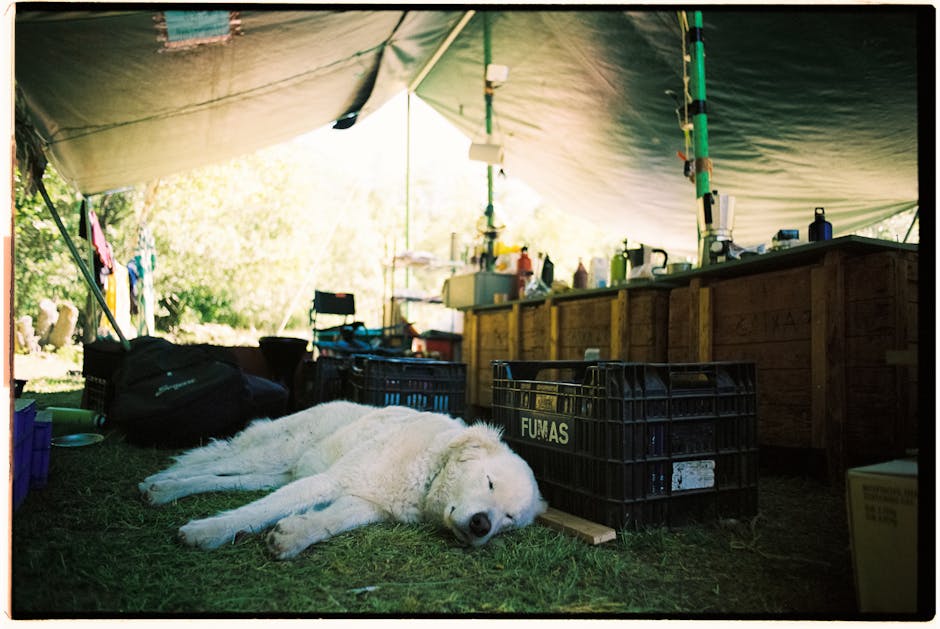
Providing quality care for your pets doesn’t have to break the bank. With the right knowledge, you can find affordable pet supplies that are both effective and safe. Whether you have a dog, cat, bird, or small animal, this guide will help you identify budget-friendly options that deliver great results.
Affordable Food Options
High-quality pet food is essential for your pet’s health, but premium brands can be expensive. Fortunately, there are budget-friendly alternatives that still meet nutritional needs. Look for store-brand options from reputable retailers, as these often undergo the same rigorous testing as name brands. For example, many discount stores offer dry kibble with real meat as the first ingredient, avoiding fillers like corn and soy.
Another cost-saving strategy is buying in bulk. Larger bags of pet food typically cost less per pound, and storing them properly in airtight containers keeps them fresh. If your pet has specific dietary needs, consult your veterinarian for recommendations on affordable prescription diets or homemade meal plans.
Best Budget Treats
Treats are a great way to reward your pet, but they can add up quickly. Instead of pricey packaged snacks, consider simple, healthy alternatives. For dogs, small pieces of carrots or apple slices make excellent low-calorie treats. Cats often enjoy freeze-dried meats, which are cheaper when bought in larger quantities. For small pets like rabbits or guinea pigs, fresh herbs like parsley or cilantro are both nutritious and inexpensive.
Toys That Last
Pets need mental and physical stimulation, but toys don’t have to be expensive to be effective. Durable rubber toys, like Kong classics for dogs, are long-lasting and can be stuffed with peanut butter or yogurt for added entertainment. For cats, simple cardboard boxes or DIY toys made from crumpled paper and string can provide hours of fun.
If you’re shopping for small animals, look for untreated wood chews or tunnels made from PVC pipes, which are both affordable and safe. Avoid cheap plastic toys that can break easily and pose a choking hazard.
Budget-Friendly Grooming Supplies
Regular grooming keeps your pet healthy, but professional services can be costly. Investing in basic tools like a slicker brush, nail clippers, and a gentle pet shampoo allows you to handle routine care at home. Many human grooming products, such as stainless steel combs, can also be used on pets safely and cost less than specialized pet versions.
For pets with long coats, a simple pair of rounded-tip scissors can help trim mats between professional grooming sessions. Just be sure to research proper techniques to avoid accidents.
Affordable Bedding and Housing
Comfortable bedding is important, especially for small animals and senior pets. Instead of expensive pet beds, consider repurposing old blankets or towels. Fleece fabric is soft, washable, and often cheaper when bought by the yard. For outdoor pets, straw or shredded paper makes excellent insulating bedding in colder months.
If your pet needs a crate or enclosure, check secondhand stores or online marketplaces for gently used options. Many pet owners sell barely used supplies at a fraction of the retail price.
Savings on Litter and Waste Management
Cat litter is a recurring expense, but there are ways to cut costs without sacrificing quality. Store-brand clumping litters often perform just as well as premium brands. For eco-conscious pet owners, pine pellets or recycled paper litter are affordable and biodegradable.
Dog owners can save by using biodegradable waste bags in bulk or repurposing old grocery bags (where permitted). Always check local regulations before using alternative waste disposal methods.
Final Tips for Smart Shopping
To maximize savings, keep an eye out for seasonal sales at pet supply stores. Many retailers offer discounts during holidays or back-to-school periods. Buying supplies online can also yield better deals, especially with subscription services that deliver essentials like food and litter on a schedule.
Lastly, don’t overlook DIY solutions. Many pet supplies, like scratching posts for cats or agility equipment for dogs, can be made at home with basic materials. With a little creativity, you can provide excellent care for your pet without overspending.
Mastering the Art of Layering for Every Season
Layering isn’t just about piling on clothes—it’s a strategic approach to staying comfortable while looking effortlessly put together. Start with a lightweight base layer, like a fitted cotton tee or silk camisole, to regulate body temperature. Mid-layers add warmth and style; think chunky knits, tailored blazers, or quilted vests. The outer layer should protect against the elements—a trench coat for rainy days or a wool peacoat when temperatures drop.
Unexpected Pairings That Work
Break the rules tastefully by mixing textures and proportions. Try a delicate lace dress with a rugged leather jacket, or pair an oversized sweater with sleek leather leggings. The contrast creates visual interest while maintaining balance. For colder months, experiment with a turtleneck under a slip dress—an unexpected twist that adds warmth without sacrificing elegance.
Side-by-Side: Investment Pieces vs. Trend Items
| Category | Investment Pieces | Trend Items |
|---|---|---|
| Materials | Cashmere, virgin wool, Italian leather | Polyester blends, faux fur, metallic finishes |
| Versatility | Works for multiple seasons and occasions | Season-specific or event-limited wear |
| Cost Per Wear | Decreases over time with frequent use | Often worn just 2-3 times per season |
Real Closet Scenarios
Emma, a graphic designer, rotates three high-quality blazers year-round by varying her accessories—light scarves in spring, statement necklaces in summer. Meanwhile, her neon belt (a trend purchase) only gets worn with specific summer outfits. Conversely, marketing director James invested in a British-made overcoat eight years ago that still garners compliments, while his sequined holiday sweater stays tucked away eleven months of the year.
When to Break Your Own Style Rules
Personal style should evolve. That “no white after Labor Day” rule? Try pairing a cream cable-knit with camel trousers for a fresh winter look. Always avoided prints? Start small with a patterned scarf tied to a solid coat. The key is intentional experimentation—note which deviations make you feel confident versus uncomfortable. Fashion blogger Alicia Tran famously transformed her all-black wardrobe by gradually introducing earthy terracottas, proving even deeply ingrained preferences can shift.