
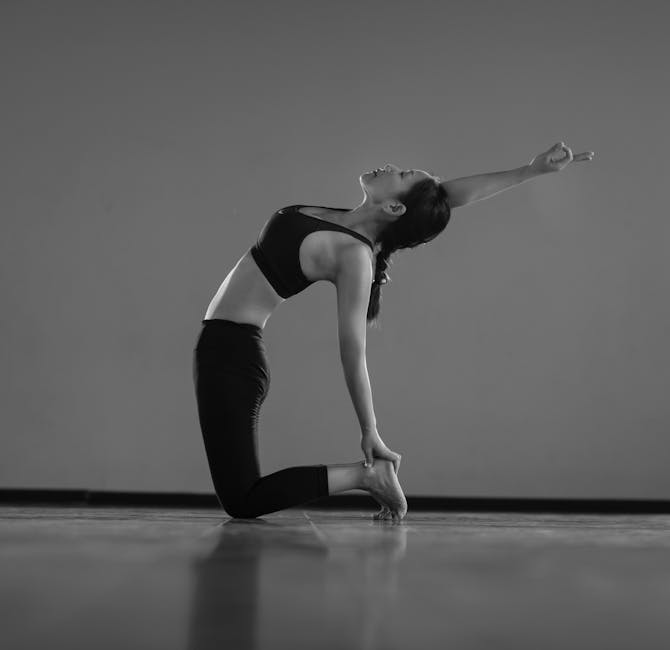
Starting a fitness journey can feel overwhelming, especially if you’re new to exercise or have concerns about joint pain, injuries, or overall physical limitations. Fortunately, low-impact workouts offer a gentle yet effective way to build strength, improve flexibility, and boost cardiovascular health without putting excessive strain on your body. Whether you’re easing into fitness or looking for a sustainable routine, these beginner-friendly options can help you stay active and healthy.
What Are Low-Impact Workouts?
Low-impact workouts are exercises that minimize stress on your joints, particularly the knees, hips, and ankles. Unlike high-impact activities like running or jumping, these movements keep at least one foot on the ground at all times, reducing the risk of injury. This makes them ideal for beginners, older adults, or anyone recovering from an injury.
Benefits of Low-Impact Exercise
Low-impact workouts are not only accessible but also offer numerous health benefits. They can improve cardiovascular fitness, enhance muscle tone, and increase endurance. Additionally, they’re easier on the body, making them a great option for long-term consistency. Here are some key advantages:
- Joint-Friendly: Reduces the risk of joint pain or injury.
- Versatility: Can be done at home, in a gym, or outdoors.
- Adaptability: Suitable for all fitness levels and ages.
- Stress Relief: Promotes mental well-being through gentle movement.
Top Low-Impact Workouts for Beginners
Here are some of the best low-impact exercises to get started with. Each option is beginner-friendly and can be tailored to your fitness level.
1. Walking
Walking is one of the simplest and most effective low-impact exercises. It requires no special equipment and can be done almost anywhere. Start with a 10-15 minute stroll around your neighborhood and gradually increase your pace or distance as your stamina improves. For added intensity, try walking on a slight incline or incorporating intervals of brisk walking.
2. Swimming
Swimming is a full-body workout that’s exceptionally gentle on the joints. The water’s buoyancy supports your body, reducing stress while engaging multiple muscle groups. If you’re new to swimming, start with basic strokes like freestyle or breaststroke. Many community pools offer beginner classes or open swim sessions.
3. Yoga
Yoga combines gentle movements with breath control, making it an excellent low-impact option for improving flexibility, balance, and strength. Beginner-friendly poses like Child’s Pose, Cat-Cow, and Downward Dog are perfect for easing into the practice. Consider joining a class or following online tutorials to learn proper alignment.
4. Cycling
Cycling, whether on a stationary bike or outdoors, is a fantastic way to build cardiovascular fitness without straining your joints. Start with short, flat routes or low resistance levels and gradually increase as you build endurance. Cycling also offers the added benefit of being a fun way to explore your surroundings.
5. Pilates
Pilates focuses on core strength, flexibility, and controlled movements. Many exercises are performed on a mat, and modifications are available for beginners. Moves like the Hundred, Leg Circles, and Pelvic Tilts are great starting points. Pilates classes or online tutorials can help you master the basics.
Tips for Getting Started
Starting a new workout routine can be intimidating, but these tips can help you stay motivated and safe:
- Start Slow: Begin with shorter sessions and gradually increase duration and intensity.
- Listen to Your Body: Avoid pushing yourself too hard; rest if you feel pain or discomfort.
- Warm Up and Cool Down: Incorporate gentle stretches before and after your workout to prevent injury.
- Stay Consistent: Aim for at least 30 minutes of low-impact activity most days of the week.
- Use Proper Equipment: Wear supportive shoes and comfortable clothing to enhance your experience.
Making Low-Impact Workouts a Habit
Consistency is key to seeing results from your workouts. Here are some strategies to keep you engaged and motivated:
- Set Realistic Goals: Start with small, achievable objectives, such as walking three times a week or completing a beginner yoga class.
- Track Your Progress: Keep a journal or use a fitness app to monitor your activity and celebrate milestones.
- Find a Buddy: Exercising with a friend can make workouts more enjoyable and hold you accountable.
- Mix It Up: Rotate between different low-impact activities to keep your routine fresh and engaging.
Final Thoughts
Low-impact workouts are an excellent way for beginners to build fitness, improve health, and develop a sustainable exercise habit. By choosing activities that suit your needs and preferences, you can enjoy the benefits of physical activity without the risk of injury. Remember, the most important step is simply to start—your body and mind will thank you.
Mastering the Art of Everyday Elegance
True style isn’t about chasing trends—it’s about developing a wardrobe that works as hard as you do. Start by identifying three key outfits that make you feel confident: a polished daytime look, an effortless weekend ensemble, and one showstopper for special occasions. Build around these anchors with versatile pieces in complementary colors.
The Capsule Experiment
Try this challenge: select 15 core items (excluding undergarments and workout clothes) and wear only these for 30 days. You’ll quickly discover which pieces earn their keep through multiple outfit combinations. Most people find they actually prefer dressing from a smaller, more intentional selection.
Texture Play: The Secret Weapon
Elevate basic outfits through thoughtful texture combinations. Pair crisp cotton with supple leather, chunky knits with flowing silk, or structured denim with delicate lace. This approach adds dimension without requiring new purchases—simply shop your existing closet with fresh eyes.
Case Study: The Business Casual Conundrum
Sarah, a financial analyst, struggled with her office’s ambiguous dress code. By implementing a “three-element rule” (one structured piece + one soft element + one personality item), she created appropriate yet expressive outfits. A tailored blazer (structured) over a draped blouse (soft) with vintage brooch (personality) became her signature formula.
Budget-Friendly Style Upgrades
- Shoe Revival: A cobbler can often restore worn heels and soles for less than replacement cost
- Tailoring Magic: $20 spent taking in a dress waist creates custom-fit appeal
- Accessory Rotation: Five scarves create more visual impact than five new tops
Remember: The most stylish people aren’t those who spend the most, but those who understand their personal aesthetic and work with what they have.