
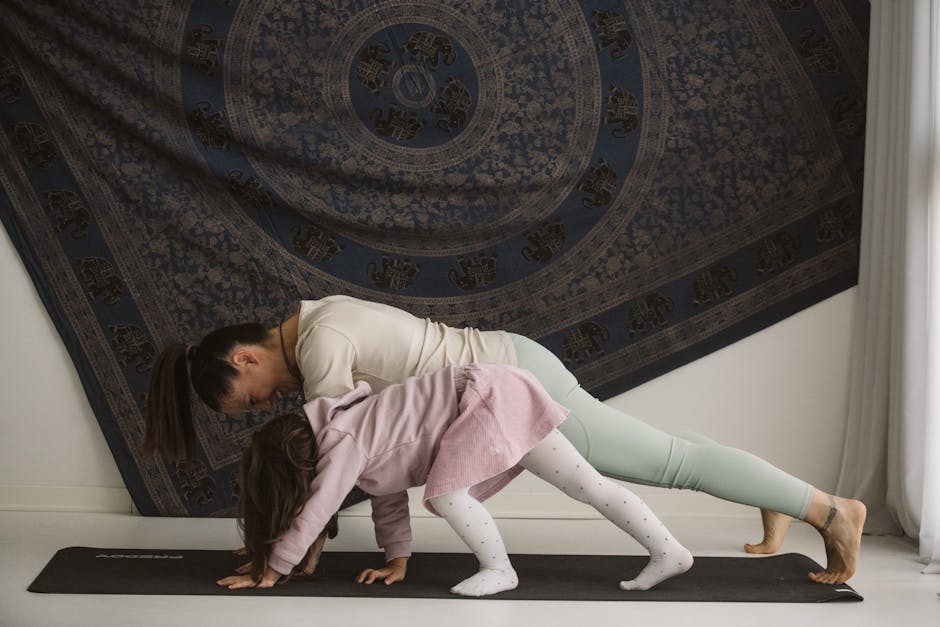
In today’s fast-paced world, finding time to hit the gym can be a challenge. Whether you’re juggling work, family, or other commitments, the idea of squeezing in a workout often feels daunting. But what if you could achieve a full-body workout without stepping out of your home or investing in expensive equipment? The good news is, you can. Bodyweight exercises are a fantastic way to stay fit, build strength, and improve flexibility—all without the need for specialized gear. Here’s a comprehensive guide to effective home workouts that require no equipment.
Why Bodyweight Workouts Work
Bodyweight exercises leverage your own weight to create resistance, making them a versatile and accessible option for fitness enthusiasts of all levels. They improve muscular endurance, cardiovascular health, and overall mobility. Plus, they can be done anywhere, anytime, making them perfect for busy schedules or limited spaces. The key is to focus on proper form and consistency to maximize results.
Benefits of No-Equipment Workouts
- Convenience: No need for a gym membership or equipment. Your living room, backyard, or even a hotel room can become your workout space.
- Cost-Effective: Save money by eliminating the need for weights, machines, or other fitness gear.
- Customizable: Easily adjust the intensity to match your fitness level, whether you’re a beginner or an advanced exerciser.
- Full-Body Engagement: Many bodyweight exercises target multiple muscle groups simultaneously, ensuring a balanced workout.
Top No-Equipment Exercises to Try
1. Push-Ups
Push-ups are a classic bodyweight exercise that targets the chest, shoulders, triceps, and core. Start in a plank position with your hands slightly wider than shoulder-width apart. Lower your body until your chest nearly touches the floor, then push back up. For beginners, modify by dropping to your knees. Aim for 3 sets of 10–15 repetitions.
2. Squats
Squats are excellent for building lower body strength, focusing on the quads, hamstrings, and glutes. Stand with your feet shoulder-width apart, lower your hips back and down as if sitting in a chair, then return to the starting position. Keep your chest up and knees aligned with your toes. Perform 3 sets of 12–15 reps.
3. Plank
The plank is a core-strengthening powerhouse. Begin in a forearm plank position, ensuring your body forms a straight line from head to heels. Hold the position for 20–60 seconds, focusing on engaging your core and avoiding sagging hips. Repeat 3 times.
4. Lunges
Lunges work your legs and glutes while improving balance. Step forward with one leg, lowering your hips until both knees are bent at 90 degrees. Push back to the starting position and switch legs. Complete 3 sets of 10 reps per leg.
5. Burpees
Burpees are a full-body exercise that also gets your heart rate up. Start in a standing position, drop into a squat, place your hands on the floor, and kick your feet back into a plank. Perform a push-up, then jump your feet back to your hands and explode into a jump. Do 3 sets of 8–12 reps.
Creating a Balanced Routine
To get the most out of your no-equipment workouts, aim for a balanced routine that includes strength, cardio, and flexibility exercises. Here’s a sample plan:
Warm-Up (5–10 minutes)
- Jumping jacks
- Arm circles
- High knees
Main Workout (20–30 minutes)
- Push-ups: 3 sets of 10–15 reps
- Squats: 3 sets of 12–15 reps
- Plank: 3 holds of 20–60 seconds
- Lunges: 3 sets of 10 reps per leg
- Burpees: 3 sets of 8–12 reps
Cool-Down and Stretching (5–10 minutes)
- Child’s pose
- Hamstring stretch
- Quad stretch
- Shoulder stretch
Tips for Success
To ensure your home workouts are effective and sustainable, keep these tips in mind:
- Set a Schedule: Consistency is key. Dedicate specific times for your workouts to build a habit.
- Focus on Form: Proper technique prevents injuries and maximizes results. If you’re unsure, consult online tutorials or a fitness professional.
- Progress Gradually: Start with easier variations and increase intensity as you build strength and endurance.
- Stay Hydrated: Drink water before, during, and after your workout to stay energized.
- Listen to Your Body: Rest if you feel pain or excessive fatigue. Recovery is an essential part of fitness.
Conclusion
Home workouts that require no equipment are a practical and effective way to stay fit, regardless of your schedule or budget. By incorporating bodyweight exercises like push-ups, squats, and planks into a balanced routine, you can build strength, improve endurance, and enhance overall health—all from the comfort of your home. With consistency and dedication, you’ll soon see the benefits of this accessible approach to fitness.
Mastering the Art of Layering for Cold Weather
When the temperature drops, layering becomes essential for staying warm without sacrificing style. Start with a moisture-wicking base layer, such as merino wool or synthetic fabrics, to keep sweat away from your skin. Add a mid-layer for insulation—think fleece or down jackets—and finish with a waterproof, windproof outer layer to shield against the elements. The key is to balance warmth and breathability, ensuring you can move comfortably throughout the day.
Comparing Fabric Choices: Wool vs. Synthetic
Wool and synthetic fabrics are two popular options for cold-weather gear, each with its own advantages. Wool is naturally insulating, moisture-wicking, and odor-resistant, making it ideal for extended wear. Synthetic materials, on the other hand, are lightweight, quick-drying, and often more affordable. While wool excels in extreme cold, synthetics are better suited for high-intensity activities where sweat management is crucial. Choose based on your activity level and personal preference.
Real-World Scenario: Surviving a Winter Hike
Imagine you’re embarking on a winter hike through snowy terrain. Your base layer keeps sweat at bay, your mid-layer traps body heat, and your outer layer protects against wind and snow. Halfway through, you stop for a break and start to feel chilly—this is where a packable down vest or jacket comes in handy. By layering strategically and carrying versatile pieces, you can adapt to changing conditions and ensure a safe, enjoyable adventure.