
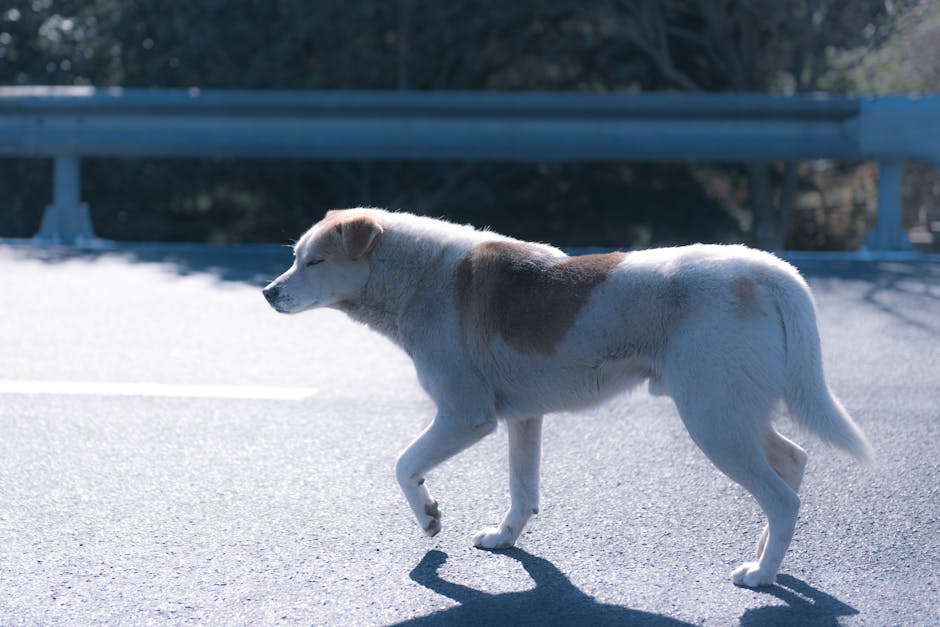
Traveling with pets can be a rewarding experience, but it requires careful planning to ensure their comfort and safety. Whether you’re embarking on a road trip, flying across the country, or taking public transportation, making your pet’s journey as stress-free as possible is essential. Here’s a comprehensive guide to help you navigate the process and create a positive travel experience for both you and your furry friend.
1. Plan Ahead for a Smooth Journey
Preparation is key when traveling with pets. Start by researching your destination’s pet policies, including accommodations, parks, and any local regulations. For example, some hotels welcome pets but may charge additional fees, while others have strict no-pet policies. Knowing these details in advance will save you from last-minute stress.
Additionally, ensure your pet’s vaccinations are up to date and carry their medical records with you. If you’re traveling internationally, check the specific requirements for pet entry, such as microchipping or quarantine periods. A little research goes a long way in ensuring a seamless trip.
2. Choose the Right Transportation Method
The method of transportation you choose can significantly impact your pet’s comfort. For road trips, make sure your pet is secure in a well-ventilated crate or harness. Frequent stops for bathroom breaks and stretching are essential, especially for dogs. Cats, on the other hand, may prefer to stay in their carriers for the duration of the trip.
If you’re flying, opt for pet-friendly airlines and book a direct flight whenever possible. Check the airline’s pet policy, as some allow small pets in the cabin, while others require larger animals to travel in the cargo hold. Ensure your pet’s carrier meets the airline’s size and ventilation requirements.
3. Pack Smart for Your Pet
Just like you pack essentials for yourself, your pet will need their own travel kit. Include items such as food, treats, water, bowls, a leash, waste bags, and any medications they may require. Familiar items like their favorite blanket or toy can also provide comfort and reduce anxiety.
For longer trips, consider bringing a portable water bottle with a built-in bowl and collapsible food dishes for convenience. If your pet is prone to motion sickness, consult your veterinarian about potential remedies or medications to ease their discomfort.
4. Create a Comfortable Environment
Your pet’s comfort during travel depends largely on their environment. In a car, ensure the temperature is regulated and avoid leaving your pet alone in a hot vehicle. Use sunshades or window covers to protect them from direct sunlight.
On flights, choose a carrier that allows your pet to stand, turn around, and lie down comfortably. Line the carrier with absorbent padding in case of accidents, and include a familiar scent to help them feel at ease. If your pet is traveling in the cargo hold, attach a label with your contact information and destination details to the carrier.
5. Prioritize Your Pet’s Health and Safety
Traveling can be stressful for pets, so it’s important to monitor their well-being throughout the journey. Watch for signs of anxiety, such as excessive panting, whining, or restlessness. Calming aids like pheromone sprays or anxiety wraps can help alleviate stress.
Keep your pet hydrated and avoid feeding them large meals before travel to prevent stomach upset. If your pet has a medical condition, consult your vet before the trip to ensure they’re fit for travel and to discuss any special precautions.
6. Acclimate Your Pet to Travel
If your pet isn’t used to traveling, start by taking them on short trips to help them acclimate. Gradually increase the duration of these outings to build their confidence and reduce anxiety. Positive reinforcement, such as treats and praise, can make the experience more enjoyable for them.
For crate training, introduce your pet to their carrier well in advance. Allow them to explore it at their own pace and associate it with positive experiences, like meals or playtime. This will make them more comfortable when it’s time to travel.
7. Be Mindful of Your Pet’s Needs
Every pet is unique, so tailor your travel plans to their specific needs. For example, older pets or those with mobility issues may require extra care, such as orthopedic bedding or frequent breaks during car trips. Brachycephalic breeds, like pugs or bulldogs, may struggle with breathing difficulties in hot weather or during flights, so take extra precautions to keep them cool and comfortable.
By paying attention to your pet’s individual needs, you can ensure they have a pleasant travel experience.
8. Arrive Prepared for Your Destination
Once you reach your destination, take time to help your pet adjust to their new surroundings. Set up a designated area with their bed, food, and water to create a sense of familiarity. Allow them to explore at their own pace, and keep them on a leash if you’re in an unfamiliar outdoor area.
If you’re staying in a hotel, familiarize yourself with the pet policies and keep noise levels to a minimum to avoid disturbing other guests. For outdoor adventures, ensure your pet is protected from hazards like toxic plants, insects, or extreme weather conditions.
Final Thoughts
Traveling with pets can be a joyful experience when done thoughtfully. By planning ahead, prioritizing their comfort, and being attentive to their needs, you can ensure a smooth and enjoyable journey for both you and your furry companion. With the right preparation, your pet will be ready to explore new destinations by your side.